
Applications
Requirements, standards and the full set of components for each application, with a spec builder set up for that use.
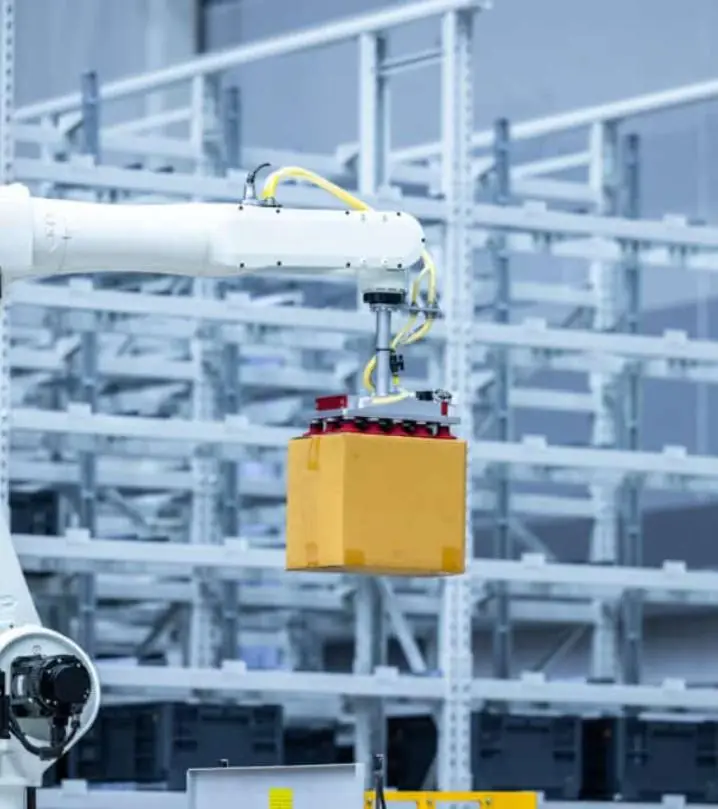
Robotics and automation
Compact joints, end effectors and pick-and-place axes.
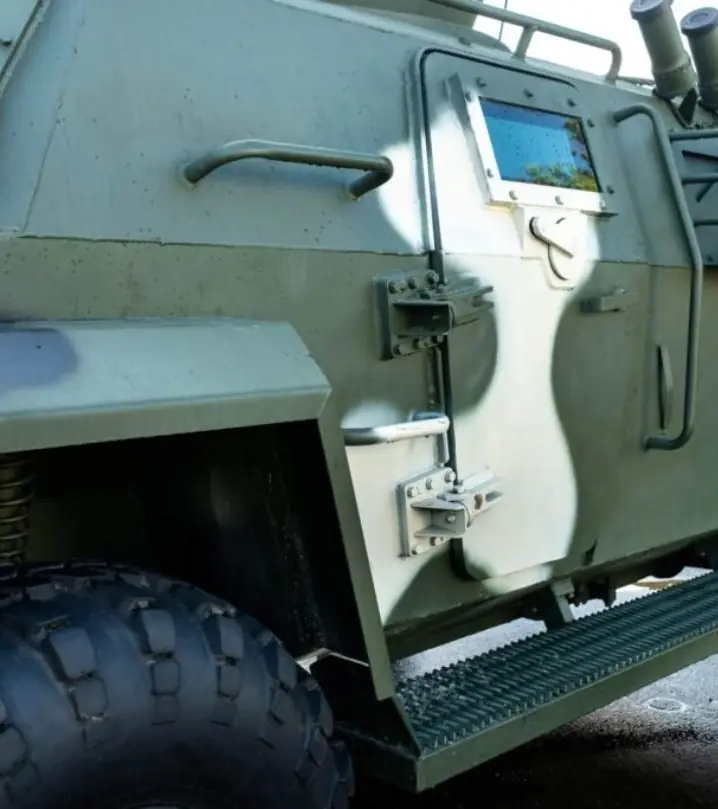
Defence and security
Turrets, hatches and positioners built for shock and EMC.
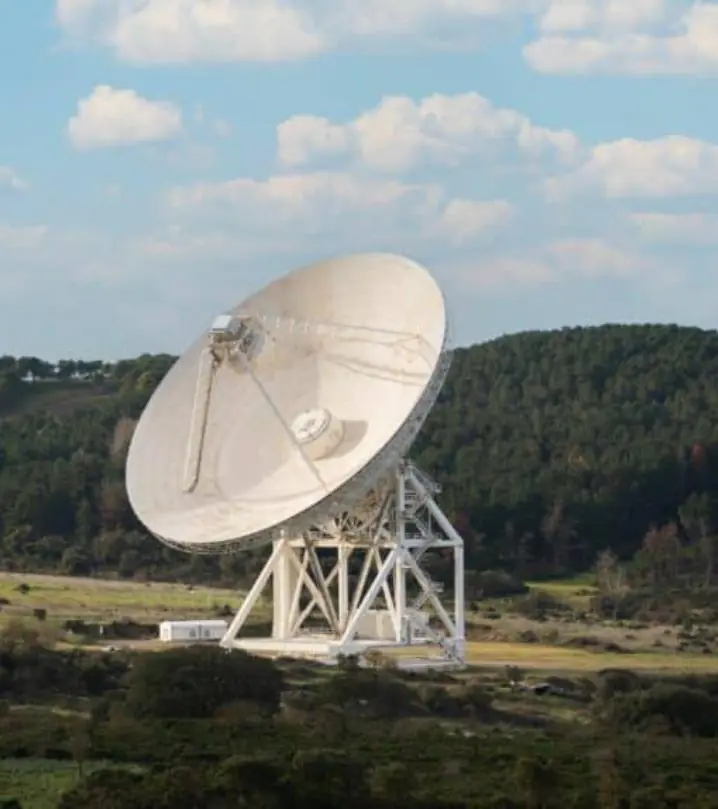
Satellite and comms
Antenna positioners with slip rings and absolute feedback.
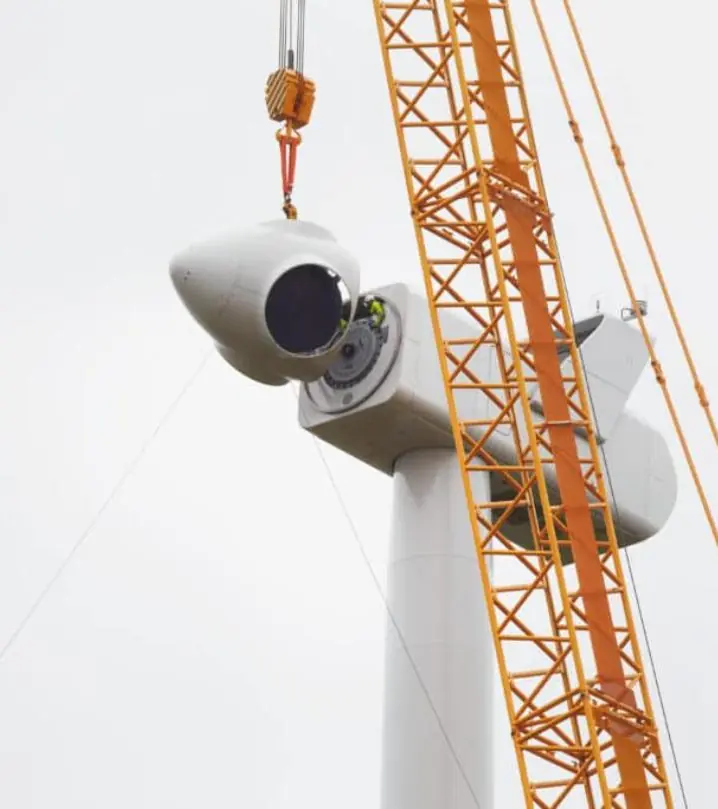
Energy and renewables
Pitch and yaw slip rings and solar tracker actuators.
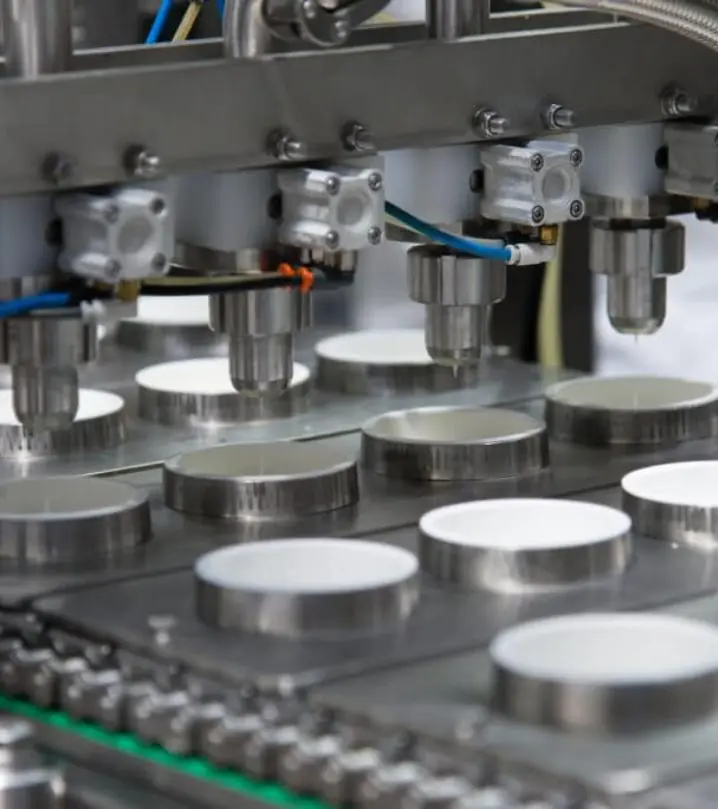
Packaging and machinery
Filling, forming and wrapping axes, including washdown.
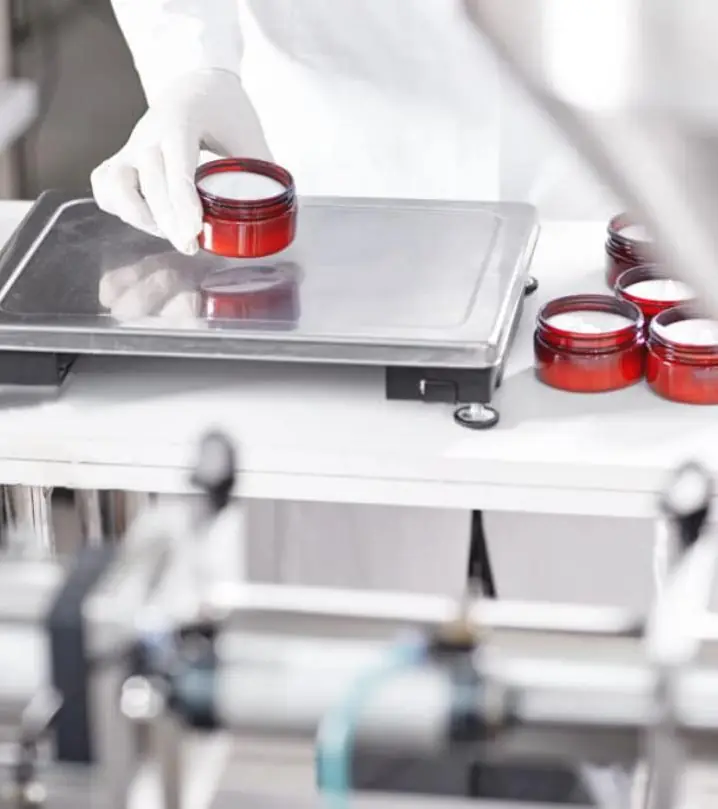
Medical and laboratory
Quiet, low-cogging motion for imaging and lab automation.

Entertainment and rides
Ride systems, stage revolves and camera motion.
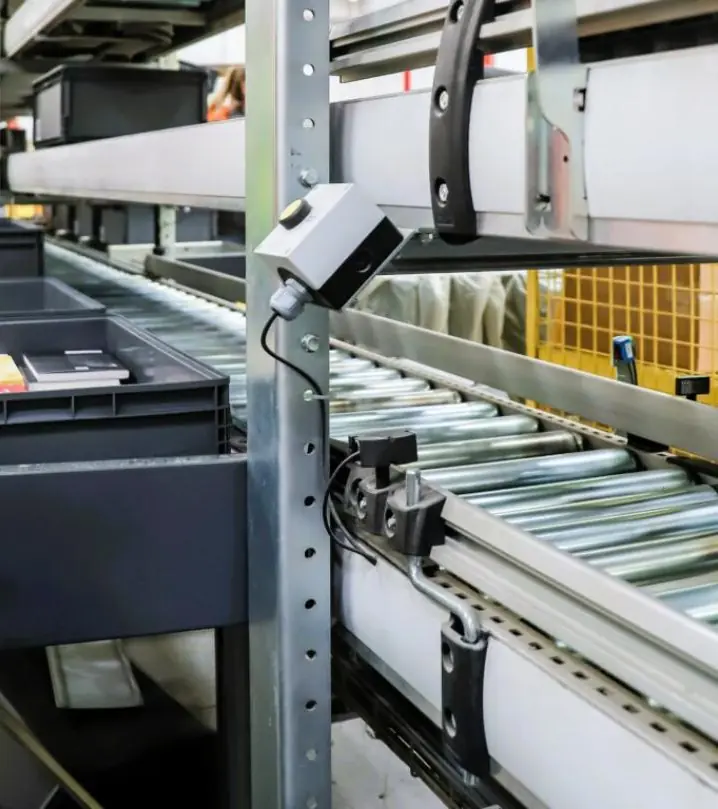
Transport and logistics
Conveyors, cranes, cable reels and AGV drive modules.
Slip ring applications
All application guides
Wind turbines (pitch & yaw)
The pitch slip ring sits in the hub and must feed pitch motors, auxiliary supplies and the pitch controller's fieldbus into a rotor that turns continuously for years, often in cold, damp or salt-laden air.
CT scanners & medical imaging
A CT gantry spins the X-ray tube and detector array at high speed on a ring roughly a metre across, while kilowatts of power go onto the rotor and multi-gigabit image data comes off it.
Robotics & robot wrists
End-of-arm tools that need unlimited rotation - screwdrivers, grippers, rotating heads - cannot be fed by a twisting cable harness, yet still need power, industrial Ethernet and often compressed air.
Packaging machines & rotary indexing tables
Index tables with more than two stations, or that turn in one direction only, cannot use a back-and-forth cable loop, yet the fixtures on top need power, valve signals, fieldbus and compressed air.
CCTV & pan-tilt cameras
A camera head that pans continuously needs its video, network and motor supplies to cross the pan axis without a cable stop.
Radar & antenna positioners
A rotating radar antenna needs high-power RF in and out, plus power, encoder signals and data, all running 24/7 for decades.
ROVs & subsea winches
An ROV umbilical or tether runs from a rotating winch drum, so high-voltage power and fibre-optic telemetry must cross the drum axis while the winch pays out and hauls in.
Cable reels & reelers
A motorised cable reel feeds a moving crane, stacker or mining machine, so the drum turns as the machine travels and every conductor in the reeling cable must cross the drum axis.
Cranes & slewing machinery
Slewing cranes and excavators rotate their upper structure continuously, so drive power, control and bus signals must cross a large central axis, often through a hollow shaft shared with hydraulic swivels.
Defence turrets & weapon stations
A turret or remote weapon station rotates continuously in azimuth while carrying high-current drive power, gigabit Ethernet, sighting video, CAN bus and sometimes fibre across one interface.
Gimbals & drones
Stabilised camera and sensor gimbals on UAVs need unlimited pan while passing power and many signal lines, but every gram and millimetre counts.
Rotating test rigs & dynamometers
Test engineers need strain, torque and temperature signals from sensors bonded to shafts, rotors and blades spinning at thousands of rpm.
Bottling & filling machines
Rotary fillers carry sensors in the bowl and valves on the carousel that report fill level, temperature and pressure, all of which must cross the rotating axis.
Stretch-wrapping & flow-wrapping machines
Stretch wrappers rotate either the load (turntable) or the film carriage (rotary arm or ring) around a fixed load, and the moving side carries motors, pre-stretch drives and sensors.
Amusement rides
Rides such as carousels, Ferris wheels and multi-axis spinners need power for lighting and secondary motors plus sensor and control data across their main rotation.
Stage revolves & entertainment
A theatre revolve carries lighting, sound, video and automation that need power and data while the stage rotates slowly through many turns.
Welding positioners & turntables
A positioner rotates the workpiece while welding current returns through it, so hundreds of amps must cross the rotating axis without arcing or resistance drift.
Mixers & process vessels
Rotating drums, heated rolls, agitators and mixers need heater power and temperature signals on the rotating side.
Satellite communication antennas (SATCOM on the move)
SATCOM-on-the-move terminals track satellites from moving vehicles, ships or aircraft, so the antenna must rotate continuously in azimuth while passing Ka- or Ku-band transmit/receive signals and power.
Marine mooring swivels & FPSO turrets
Turret-moored FPSOs and floating platforms weathervane around a fixed mooring, so power, signals, fibre and fluids must pass through a swivel stack at the turret.
Spec builder
Build your specification
Select every part you need, answer the questions an applications engineer would ask, and see your summary before we ask for any details.
- 1Products
- 2Performance
- 3Environment
- 4Volumes
- 5Your spec